New to Drawbridge? Check out the About and Methodology pages to understand how our platform works.
International Media: Euronews

Use your cursor to explore the text.
Source: Euronews
Israeli Media: i24NEWS
Source: i24news
Palestinian Media: The Palestine Chronicle
Source: The Palestine CHronicle
Analysis
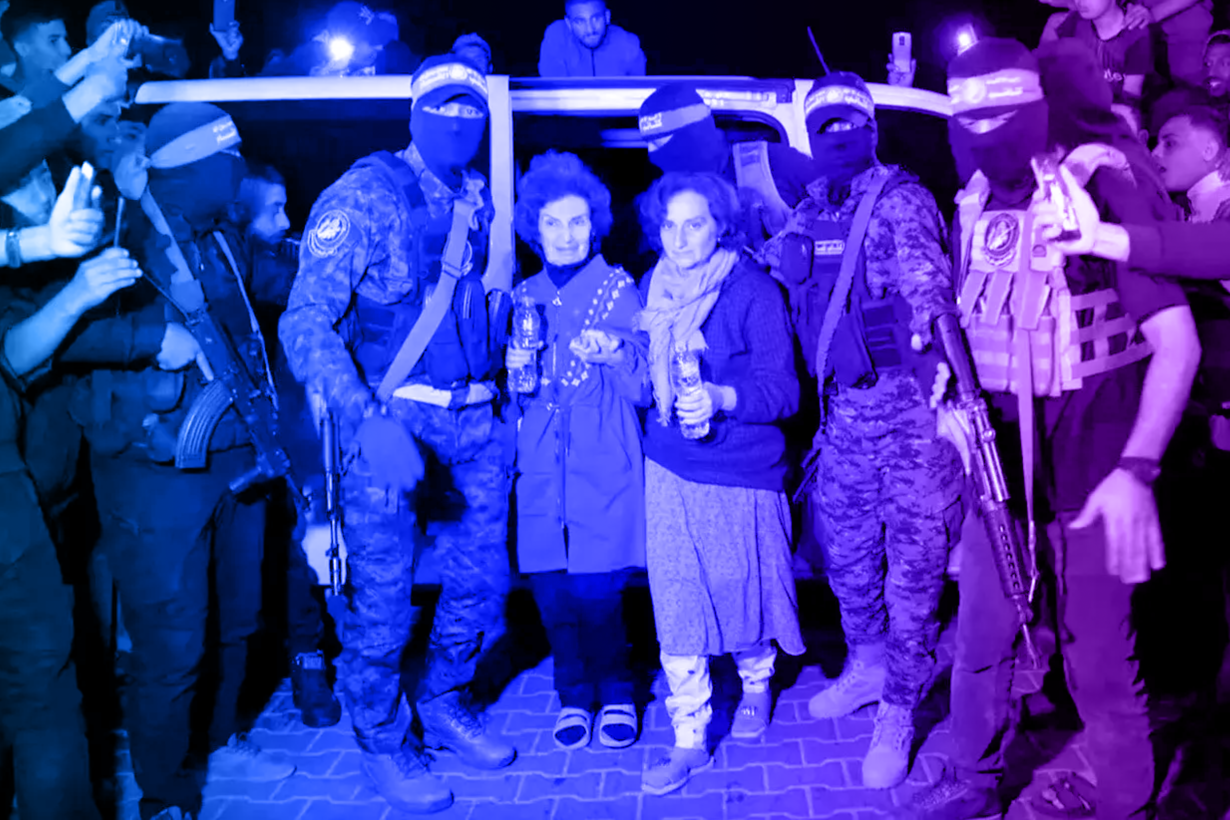
The Euronews article adopts a comparatively international and diplomatic framing. It presents the ceasefire primarily as a negotiated breakthrough mediated by Qatar, Egypt, and the United States, while balancing attention between Israeli hostages and the humanitarian conditions in Gaza. The article generally relies on restrained language such as “militants,” “captives,” and “prisoners,” and frequently attributes claims to official actors. Its structure emphasizes diplomacy, aid delivery, and the possibility — however uncertain — of de-escalation.
The i24 article frames the agreement much more explicitly through an Israeli security and hostage-centered perspective. Hamas is consistently described as a “terror group” or “terrorist faction,” while Israelis held in Gaza are referred to as “hostages,” “abductees,” or kidnapping victims. Palestinian detainees, by contrast, are described as “convicted prisoners,” reinforcing a legal-criminal framework rather than a political one. Much of the article focuses not on Gaza itself, but on the logistical, psychological, and medical reintegration of Israeli captives, centering Israeli institutional care, trauma, and national responsibility.
The Palestine Chronicle article shifts the framing almost entirely toward the lived experience of Palestinians in Gaza. Rather than emphasizing diplomacy or hostage logistics, it foregrounds grief, burial, destruction, siege, and exhaustion after weeks of bombardment. The article relies heavily on direct testimony from Gaza residents, allowing civilians rather than officials to structure the narrative. Language such as “aggression,” “occupation,” “martyrs,” “resistance,” and “oppressive siege” situates the ceasefire within a broader political and historical struggle rather than a temporary humanitarian arrangement. Notably, Israelis held in Gaza are referred to as “prisoners” rather than “hostages,” reversing the terminology commonly used in Israeli and Western reporting.
Across all three articles, the most visible differences emerge through labels and legitimacy frameworks. The same people are described as “hostages,” “captives,” or “prisoners”; Hamas is framed as either a “terror group” or part of the “Palestinian resistance”; and the ceasefire itself appears alternately as a humanitarian pause, a hostage deal, or a brief interruption in a much larger system of war and siege.
The articles also differ sharply in whose voices anchor the story. Euronews privileges diplomats, ministries, and official negotiations. i24 centers Israeli institutions, military coordination, and hostage families. The Palestine Chronicle foregrounds ordinary Gazans speaking about mourning, survival, and the impossibility of returning to normal life after mass destruction.